Who is behind Motor Vehicle Expert?
Motor Vehicle Expert is a UK-focused automotive advice website created by Bavusani Otis Dube. The site is built around recognised automotive maintenance and repair training, MOT testing knowledge and practical explanations of the vehicle problems everyday drivers commonly face.
City & Guilds Level 2 and Level 3
Automotive Maintenance and Repair qualifications for light vehicles provide the technical foundation behind the site's mechanical and diagnostic content.
MOT Testing Classes 4 and 7
MOT testing training supports the site's coverage of common failures, advisories, warning lights, inspected systems and practical pre-test guidance.
Practical mechanic-style explanations
Content is organised around the questions drivers actually ask: what a symptom may mean, what should be checked, whether it could be unsafe and when garage diagnosis is sensible.
Motor Vehicle Expert does not treat one symptom or one fault code as automatic proof that a specific component has failed. Good diagnosis means considering the symptom, operating conditions, relevant system and available evidence before making a repair decision.
Want to understand a vehicle fault?
Start with warning lights, starting faults, overheating, vibration, power loss, smoke, smells or other vehicle symptoms.
Open Diagnostics Hub →Have a dashboard warning?
Identify the symbol, understand its urgency and move into the detailed guide for the affected system.
Warning Lights Hub →Not sure where to begin?
Start with the Motor Vehicle Expert Diagnostic App using a warning light, symptom or OBD fault code.
Open Diagnostic App →Why Motor Vehicle Expert Exists
Motor Vehicle Expert was created to make vehicle problems easier to understand for everyday UK drivers. When a warning light appears, the car starts making an unusual noise, the engine overheats, the MOT is due or a repair quote sounds expensive, it can be difficult to know what information is useful and what should happen next.
The aim of the website is to explain common automotive problems in a practical way: what the symptom may suggest, which vehicle system deserves attention, what sensible checks may help narrow the problem and when professional diagnosis or repair becomes the correct next step.
Motor Vehicle Expert is built around real driver situations such as warning lights, starting faults, overheating, coolant loss, brake problems, clutch symptoms, MOT failures, repair costs and used car buying decisions.
Explain what the symptom may mean
Vehicle symptoms often have more than one possible cause. The guides explain the most relevant systems and likely diagnostic directions without pretending that one symptom proves one failed component.
Explain what may be urgent
Safety-related symptoms such as brake faults, severe overheating, oil-pressure warnings, fuel leaks and steering problems need a different response from a minor comfort or convenience fault.
Support better repair decisions
The goal is to help drivers understand the problem before agreeing to repairs, replacing parts or buying a vehicle with an unexplained fault.
A useful diagnostic starting point is usually the symptom itself: when it happens, what changes, which warning lights appear and whether the problem follows engine speed, road speed, temperature, braking or driving load.
Bavusani Otis Dube
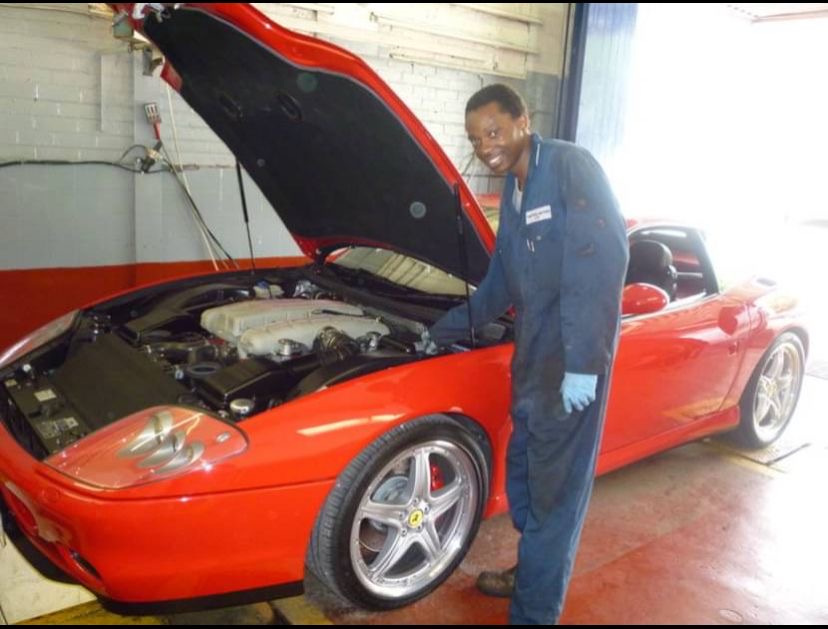
Automotive Technician and Creator of Motor Vehicle Expert
Bavusani Otis Dube created Motor Vehicle Expert as a UK-focused automotive advice website covering vehicle diagnostics, dashboard warning lights, MOT guidance, servicing, repair costs and used car buying checks.
The website is built around recognised automotive training and practical explanations of the problems drivers regularly encounter in day-to-day vehicle ownership.
- ✓ City & Guilds Level 2 Automotive Maintenance and Repair — Light Vehicle.
- ✓ City & Guilds Level 3 Automotive Maintenance and Repair — Light Vehicle.
- ✓ Level 2 Award in MOT Testing — Classes 4 and 7.
- ✓ Practical focus on diagnostics, warning lights, MOT issues, servicing and repair guidance.
Automotive Training And MOT Knowledge
Motor Vehicle Expert is supported by recognised automotive qualifications covering light vehicle maintenance, repair and MOT testing. These qualifications form the technical foundation behind the site's diagnostic, maintenance and MOT-related guidance.
Level 2 Automotive Maintenance & Repair
City & Guilds light vehicle training covering core automotive maintenance and repair principles, vehicle systems and practical workshop knowledge.
Level 3 Automotive Maintenance & Repair
City & Guilds light vehicle training covering deeper automotive systems and diagnostic areas, including engine, chassis, transmission and auxiliary electrical faults.
Level 2 Award In MOT Testing
MOT testing qualification for Classes 4 and 7, supporting the site's coverage of MOT failures, advisories, warning lamps and inspection-related guidance.
Automotive training helps explain systems, symptoms and diagnostic logic, but an online article cannot physically inspect a vehicle. Where a fault is safety-critical, intermittent or uncertain, proper testing remains important.
City & Guilds Level 2 Automotive Maintenance And Repair
The Level 2 light vehicle qualification provides a foundation in automotive maintenance and repair. It supports understanding of routine vehicle systems, inspection, servicing and the practical principles behind common mechanical faults.
Maintenance fundamentals
Routine vehicle maintenance, inspection and service procedures form part of the practical foundation needed to understand how faults develop and how condition is assessed.
Vehicle systems
Understanding how braking, steering, suspension, engine and electrical systems operate makes it easier to connect driver symptoms with the correct diagnostic area.
Workshop approach
Practical maintenance and repair training reinforces the importance of inspection, correct procedures and confirming condition before replacing components.
City & Guilds Level 3 Automotive Maintenance And Repair
The Level 3 light vehicle qualification builds on the earlier automotive foundation and supports more advanced understanding of vehicle systems and fault diagnosis.
Engine systems
Engine operation, control systems and fault patterns help support diagnostic content covering misfires, power loss, warning lights and poor running.
Chassis and transmission
Braking, steering, suspension and drivetrain knowledge supports guidance on vibration, brake faults, clutch symptoms and vehicle-control problems.
Electrical diagnosis
Understanding electrical circuits and auxiliary systems helps place warning lights, charging faults, sensor information and electronic symptoms into the correct diagnostic context.
A warning light, code or symptom should narrow the diagnostic direction, but the final repair decision should come from inspection, measurements and confirmed system behaviour.
Level 2 Award In MOT Testing — Classes 4 And 7
The MOT testing qualification supports Motor Vehicle Expert's coverage of UK MOT failures, advisories, warning lamps, inspected components and the distinction between MOT condition and general mechanical condition.
Class 4 vehicles
The qualification includes Class 4 MOT testing, covering the vehicle category used by many everyday passenger cars.
Class 7 vehicles
The qualification also includes Class 7 testing, supporting understanding of MOT requirements across the relevant vehicle class.
MOT guidance on the site
Motor Vehicle Expert uses this knowledge to explain failures, advisories, warning-light implications and common pre-test concerns in practical UK language.
Browse MOT Failure Guides →The MOT checks defined safety and environmental items at the time of the test. It does not provide a complete diagnosis of the engine, clutch, gearbox, air conditioning or every maintenance item on the vehicle.
Training Behind Motor Vehicle Expert
The qualifications below are the recognised automotive credentials currently stated on Motor Vehicle Expert and form the technical basis for the site's maintenance, diagnostic and MOT-related content.
City & Guilds Level 2
Automotive Maintenance and Repair — Light Vehicle.
City & Guilds Level 3
Automotive Maintenance and Repair — Light Vehicle.
Level 2 Award In MOT Testing
MOT Testing — Classes 4 and 7.
Bavusani Otis Dube holds City & Guilds Level 2 and Level 3 Automotive Maintenance and Repair qualifications together with a Level 2 Award in MOT Testing for Classes 4 and 7.
Real Vehicle Problems Behind The Guides
The guides on Motor Vehicle Expert are built around the type of vehicle problems drivers commonly face in real ownership: warning lights appearing unexpectedly, engines refusing to start, batteries going flat, coolant disappearing, engines overheating, brakes grinding, suspension knocking, tyres wearing unevenly and used cars hiding expensive faults.
These problems are rarely solved well by jumping immediately to a replacement part. The useful starting point is the fault pattern: what changed, when it happens, whether the vehicle is hot or cold, whether the problem follows road speed or engine speed and which other symptoms appear at the same time.
Battery and charging faults
A battery warning light may point towards alternator output, belt condition, wiring or charging control rather than proving that the battery itself has failed.
Battery Warning Guide →Clicking but not starting
A clicking starter symptom can involve battery voltage, cable resistance, starter-solenoid operation or the starter motor itself.
Starter Clicking Guide →Repeated advisories
Repeated tyre, brake, suspension, corrosion or leak advisories can reveal a maintenance pattern that matters to both current owners and used-car buyers.
MOT Advisory Guide →Motor Vehicle Expert does not try to diagnose every vehicle from one symptom. The aim is to explain the most relevant possibilities, useful checks, safety concerns and when proper garage diagnosis becomes the sensible next step.
Mechanic-Style Advice Without Unnecessary Complexity
Many automotive faults are confusing because the same symptom can have several possible causes. An overheating engine, for example, can involve coolant loss, thermostat operation, radiator airflow, water-pump circulation, radiator restriction or an internal engine problem.
Motor Vehicle Expert therefore structures guides around the way the fault appears in real driving rather than only around component names. Examples include a car overheating in traffic, a heater blowing cold, an engine management light flashing, a steering wheel shaking or a burning smell after driving.
Explain the system clearly
Technical concepts are explained using normal UK automotive language so drivers can understand the system without removing the mechanical detail needed to make the guide useful.
Organise content around fault patterns
Guides focus on when the symptom appears, what changes during the fault and what additional signs help separate one cause from another.
Help the reader decide what to do next
The aim is not only to list possible causes, but also to explain useful checks, urgency, likely repair direction and when further testing is appropriate.
- ✓ Plain wording for everyday UK drivers.
- ✓ Real-world symptom patterns rather than generic fault lists.
- ✓ Safety-first guidance for urgent faults.
- ✓ Internal links to deeper guides when the reader needs more specific information.
- ✓ UK-focused MOT, servicing, repair-cost and ownership guidance.
How Motor Vehicle Expert Builds A Useful Guide
A useful automotive guide should do more than repeat a list of common causes. It should help the reader understand how the vehicle system works, what evidence matters, which faults are most plausible and what should be checked before money is spent.
1. Start with the driver question
The guide begins with the problem the driver can actually describe: a warning light, noise, smell, vibration, leak, MOT result or change in performance.
2. Explain the relevant system
The reader is given enough mechanical context to understand why the symptom can occur and which components or systems are involved.
3. Compare likely causes
Causes are organised by diagnostic relevance rather than presented as though every possibility is equally likely.
4. Add useful distinguishing clues
Hot versus cold, idle versus driving, engine speed versus road speed and load-dependent symptoms help narrow the likely fault area.
5. Explain urgency
The guide separates inconvenience from faults that may threaten braking, steering, engine lubrication, temperature control or other safety-critical systems.
6. Point towards confirmation
Inspection, fault-code information, measurements and mechanical testing are used to move from a suspected cause towards a confirmed repair decision.
A reader should leave a guide understanding what matters diagnostically, which symptoms are more serious and what information would be useful to provide to a garage or technician.
Start With The Symptom, Then Prove The Cause
Motor Vehicle Expert uses a symptom-first diagnostic approach. The first objective is to establish what the vehicle is actually doing and under which conditions the problem appears. Only then should the diagnosis move towards specific components.
What is the vehicle doing?
Examples include overheating, revving without accelerating, vibrating at idle, pulling under braking or failing to start.
When does the fault appear?
Cold, hot, at idle, under load, in a particular gear, while braking or at a certain road speed can completely change the diagnostic direction.
What evidence proves the cause?
Inspection, measurements, fault codes, live data and mechanical testing should support the repair decision.
| Driver symptom | Useful diagnostic question | Why it matters |
|---|---|---|
| Car overheats | Does it overheat at idle, in traffic or at road speed? | The answer helps separate airflow faults from circulation and heat-transfer problems. |
| Car revs but will not accelerate properly | Does engine rpm rise without matching road speed? | This helps distinguish engine power loss from clutch or transmission slip. |
| Car vibrates | Does vibration follow engine speed or road speed? | The answer helps separate engine and mount faults from tyres, wheels and drivetrain causes. |
| Engine will not start | Does the starter crank the engine normally? | No-crank and crank-no-start faults require very different diagnostic pathways. |
| Warning light is on | Is it red, amber, steady or flashing? | Colour, behaviour and accompanying symptoms help establish urgency and the relevant system. |
A diagnostic trouble code can identify a monitored system or abnormal condition, but wiring, voltage supply, air leaks, mechanical faults or another system problem can cause the same code. Testing should confirm the cause.
General Guidance, Not A Final Vehicle Diagnosis
Motor Vehicle Expert is designed to help drivers understand possible causes, diagnostic logic and sensible next steps. The information cannot inspect the physical condition of a particular vehicle and should not be treated as proof of a specific failed component.
Vehicle design, mileage, service history, previous repairs and driving conditions can change the meaning of a symptom. A physical inspection, diagnostic scan, measurement or professional test may therefore be necessary before a repair can be confirmed.
Guides explain likely directions
The content helps readers understand systems, symptoms and possible causes rather than claiming certainty where vehicle-specific evidence is missing.
Inspection still matters
Actual wear, leakage, wiring condition, pressures, voltages and mechanical damage can only be confirmed by inspecting or testing the vehicle.
Urgent symptoms take priority
When vehicle control, braking, steering, lubrication, fuel containment or temperature control is seriously affected, safe action matters more than continuing to diagnose online.
Brake failure, an oil-pressure warning, severe overheating, heavy smoke, significant coolant loss, a strong fuel smell, major steering difficulty or unsafe handling can require immediate professional assistance rather than continued driving.
Read the site disclaimer
The disclaimer explains the limits of general online automotive information and the importance of suitable professional inspection where needed.
Read Disclaimer →Contact Motor Vehicle Expert
Use the contact page for website enquiries, corrections or other appropriate communication relating to Motor Vehicle Expert.
Contact →What Motor Vehicle Expert Helps UK Drivers Understand
Motor Vehicle Expert covers the main questions drivers face during ownership, diagnosis, servicing, MOT testing, repair decisions and used car buying. The website is organised into clear authority hubs so readers can start broad and move into more specific guidance only when they need it.
Vehicle Fault Diagnosis
Starting problems, overheating, power loss, vibration, hesitation, smoke, smells, braking symptoms, clutch faults and other common vehicle problems.
Open Diagnostics Hub →Dashboard Warning Lights
Engine management, ABS, airbag, battery, oil, coolant, brake, DPF, steering, TPMS and other dashboard warnings.
Open Warning Lights Hub →MOT Failures And Advisories
Common MOT failures, advisories, warning-light issues, braking, tyres, suspension, corrosion, emissions and pre-test guidance.
Open MOT Failure Hub →UK Repair Cost Guides
Broad UK planning costs for common repairs after the underlying problem has been properly diagnosed.
Open Repair Costs Hub →Servicing And Maintenance
Service intervals, routine maintenance, preventative checks and common replacement items for everyday vehicle ownership.
Open Servicing Guide →Used Car Buying Advice
MOT history, service records, mileage, test-drive symptoms, warning lights, accident repairs and other practical buying risks.
Open Used Car Buying Hub →Cooling System Guides
Overheating, coolant loss, thermostats, water pumps, radiator fans and cooling-system repair risks.
Cooling System Hub →Fault Codes
OBD diagnostic trouble codes and the systems they point towards during structured diagnosis.
Browse Fault Codes →Main Guides Hub
Browse the wider Motor Vehicle Expert guide library by topic and move into the relevant specialist section.
Open Guides Hub →The Main Ways Readers Enter The Site
The main authority hubs are designed around the information a driver is most likely to have at the beginning of a problem. This makes it easier to move from a broad question towards a more specific guide without guessing which part has failed.
Diagnostics Hub
Use this when the car is doing something unusual but there is no clear diagnosis yet.
Diagnostics →Warning Lights Hub
Use this when the main information you have is a warning symbol or dashboard message.
Warning Lights →Fault Codes Hub
Use this when you already have an OBD diagnostic trouble code from a scan tool.
Fault Codes →MOT Failure Hub
Use this when the vehicle has failed its MOT or received an advisory that needs explanation.
MOT Guides →Repair Costs Hub
Use this after diagnosis to understand broad UK repair price ranges and what may affect the total.
Repair Costs →Used Car Buying Hub
Use this before viewing, test-driving, negotiating or buying a used vehicle.
Used Car Guides →Start With What You Already Know
You do not need to know the failed component before using Motor Vehicle Expert. Start with the clearest information available and then move towards more specific diagnosis or guidance as evidence increases.
1. Identify the starting point
Begin with a symptom, warning light, OBD code, MOT result, repair quote or used car question.
2. Use the relevant hub
Move into Diagnostics, Warning Lights, Fault Codes, MOT, Repair Costs or Used Car Buying depending on the information you already have.
3. Narrow the problem
Use operating conditions, warning behaviour and related symptoms to reduce the number of plausible causes.
4. Check urgency
Decide whether the issue can be monitored, needs diagnosis soon or creates a safety or engine-damage risk.
5. Confirm before replacing
Use inspection, measurements, codes or professional testing to confirm the root cause before fitting parts.
6. Use repair or ownership guidance
Once the problem is understood, use repair-cost, servicing, MOT or used-car guidance to make the next decision.
If you know a specific phrase, symptom or code, use the Motor Vehicle Expert search box at the top of the page to find the most relevant guide directly.
When The Diagnostic App Is The Best Starting Point
The Motor Vehicle Expert Diagnostic App is useful when a driver knows something is wrong but is not yet sure which detailed guide to open. It provides a structured entry point using the warning, symptom or code already available.
Start from the dashboard
Use the warning symbol and its urgency as the first clue towards the affected system.
Start from what the vehicle does
Overheating, poor starting, vibration, power loss, braking symptoms and other driver observations can be used as the entry point.
Start from OBD information
Use the stored code to identify the monitored system while remembering that further testing may still be required.
Narrow the diagnostic direction
The app helps organise the problem into relevant systems and guide pathways rather than jumping between unrelated possible causes.
Understand the next action
Use the result to decide whether the issue can be monitored, needs further diagnosis or requires faster professional attention.
Braking, steering, fuel, overheating, oil-pressure and other safety-critical faults may still require physical inspection and testing before the vehicle is driven or repaired.
What Readers Can Expect From Motor Vehicle Expert
Motor Vehicle Expert aims to be clear about what online automotive guidance can and cannot do. The site is designed to improve understanding, reduce guesswork and help readers make better-informed decisions without pretending that a web page can replace inspection of the actual vehicle.
Qualifications are stated openly
The About page identifies the creator and the recognised automotive qualifications supporting the site's technical content.
Uncertainty is not hidden
Where several causes are possible, guides explain the diagnostic possibilities rather than presenting one unconfirmed answer as certainty.
Serious faults are treated differently
Brake, steering, overheating, oil-pressure, fuel and other safety-critical problems are highlighted when continued driving may be unsafe.
Readers can move deeper when needed
Main hubs connect broad questions to more detailed guides instead of forcing every topic onto one page.
Guidance before repair decisions
The site's goal is to help readers understand the problem and relevant checks before money is committed unnecessarily.
Professional help when appropriate
When the problem cannot be confirmed online or involves a safety-critical system, further inspection is the correct next step.
Even when a garage inspection is needed, understanding the symptom, system and likely diagnostic route can help the driver describe the problem more accurately and understand the repair conversation.
Main Motor Vehicle Expert Hubs
Continue into the main Motor Vehicle Expert sections for diagnostics, dashboard warning lights, OBD fault codes, MOT guidance, repair costs, servicing and used car buying.
Diagnostics Hub
Start with poor starting, overheating, power loss, vibration, hesitation, smoke, smells, braking problems and other vehicle symptoms.
Open Diagnostics Hub →Warning Lights Hub
Identify engine, battery, oil, coolant, ABS, airbag, brake, DPF, steering and other dashboard warnings.
Open Warning Lights Hub →Fault Codes Hub
Browse OBD diagnostic trouble codes and understand which systems should be investigated before parts are replaced.
Browse Fault Codes →MOT Failure Guides
Understand common MOT failures, advisories, warning lights, brakes, tyres, suspension, corrosion and emissions issues.
MOT Failure Hub →Repair Costs Guide
Compare broad UK repair-cost ranges once the underlying fault has been correctly diagnosed.
Repair Costs Hub →Used Car Buying Guides
Check MOT history, service history, warning signs, inspections, test drives and common buying risks.
Used Car Buying Hub →Servicing Guide
Understand routine servicing, maintenance intervals and preventative vehicle checks.
Car Servicing Guide →Guides Hub
Browse the wider Motor Vehicle Expert guide library by topic.
Browse All Guides →Diagnostic App
Start from a warning light, vehicle symptom or OBD code and narrow down the relevant diagnostic pathway.
Open Diagnostic App →About Motor Vehicle Expert FAQs
These questions explain who is behind Motor Vehicle Expert, what qualifications support the site, what the website covers and how the guidance should be used.
What is Motor Vehicle Expert?
Motor Vehicle Expert is a UK-focused automotive advice website covering vehicle diagnostics, dashboard warning lights, MOT guidance, servicing, repair costs, maintenance and used car buying.
Who created Motor Vehicle Expert?
Motor Vehicle Expert was created by Bavusani Otis Dube, an automotive technician with City & Guilds automotive maintenance and repair qualifications and MOT testing training.
What automotive qualifications support Motor Vehicle Expert?
Bavusani Otis Dube holds City & Guilds Level 2 and Level 3 Automotive Maintenance and Repair qualifications for light vehicles together with a Level 2 Award in MOT Testing for classes 4 and 7.
Is Motor Vehicle Expert written for UK drivers?
Yes. Motor Vehicle Expert is focused on UK drivers and covers UK terminology, MOT guidance, common vehicle faults, servicing, repair costs and used car buying.
What topics does Motor Vehicle Expert cover?
The website covers vehicle diagnostics, dashboard warning lights, MOT issues, servicing, repair costs, cooling-system faults, braking, starting problems, maintenance and used car buying.
How are Motor Vehicle Expert guides written?
The guides use practical mechanic-style explanations built around real driver symptoms, likely causes, sensible checks, safety considerations and when professional diagnosis may be needed.
Does Motor Vehicle Expert diagnose every car fault from one symptom?
No. One vehicle symptom can have several possible causes. Motor Vehicle Expert explains likely causes and diagnostic pathways rather than claiming that one symptom proves one failed component.
Is Motor Vehicle Expert a replacement for a mechanic?
No. Motor Vehicle Expert provides educational automotive guidance and diagnostic starting points. Physical inspection, diagnostic testing or professional repair may still be required.
Does Motor Vehicle Expert provide MOT guidance?
Yes. The site covers common MOT failures, advisories, warning lights, brakes, tyres, suspension, corrosion, emissions and other UK MOT-related questions.
Does Motor Vehicle Expert provide used car buying advice?
Yes. The used car guides cover inspections, test drives, MOT history, service history, mileage, accident repair signs, warning lights and other common buying risks.
What is the Motor Vehicle Expert diagnostic app?
The Motor Vehicle Expert diagnostic app provides a structured starting point for drivers using warning lights, vehicle symptoms or OBD fault codes to narrow down relevant diagnostic information.
What should I do if my vehicle has a serious safety-related symptom?
If a vehicle has serious symptoms such as brake failure, an oil pressure warning, severe overheating, heavy smoke, a fuel leak, major steering difficulty or unsafe handling, stop safely and seek appropriate professional help.